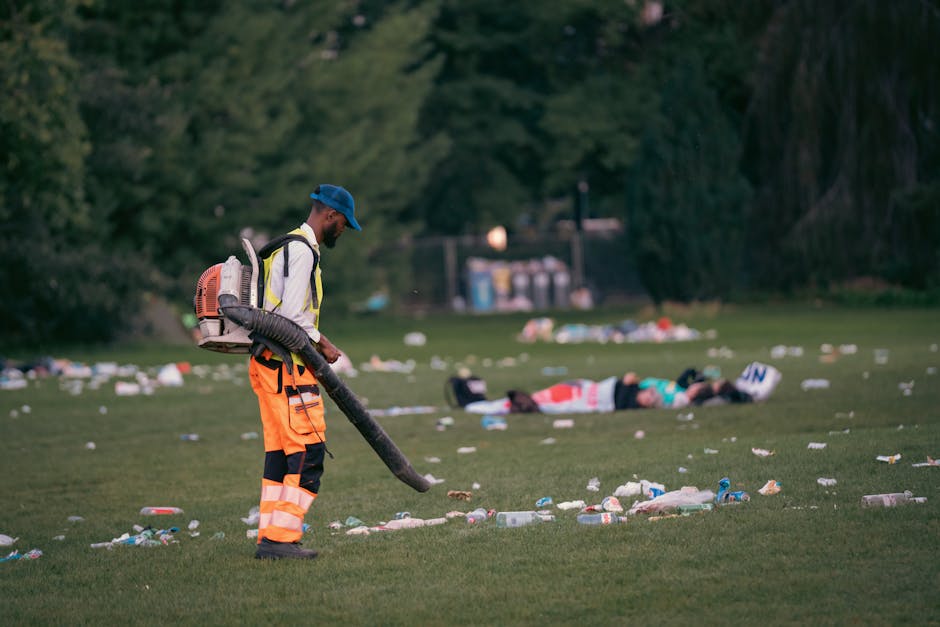
Kenilworth Road rubbish clearance after match days Luton: a practical guide for cleaner streets, safer access, and quicker turnaround
Match days around Kenilworth Road bring energy, noise, and a real buzz to Luton. They also bring a less glamorous side of the occasion: cups, takeaway boxes, bottles, packaging, flyers, food waste, and the odd bit of debris left behind once the crowds drift away. If you are looking for Kenilworth Road rubbish clearance after match days Luton, you are probably dealing with one of two things - a one-off clean-up problem or a regular operational headache that keeps coming back. Either way, it needs handling properly, quickly, and without making the area look worse before it looks better.
This guide explains what post-match rubbish clearance involves, why it matters, how a professional clean-up is usually organised, and what to think about if you are comparing options. You will also find practical steps, compliance notes, common mistakes, and a realistic checklist you can actually use. Nothing fluffy. Just the useful bits, in plain English.
Why Kenilworth Road rubbish clearance after match days Luton matters
Kenilworth Road sits in a busy, tightly packed part of Luton, so even a fairly normal match day can leave a noticeable footprint. Waste gathers where people stop, queue, eat, smoke, spill drinks, or simply drop packaging on the move. That means the issue is not just aesthetics. It affects access, safety, neighbour relations, cleaning time, and how quickly the area can get back to normal.
Let's face it, a few missed bags can turn into a bigger problem fast. Wind picks up litter. Rain makes paper pulp into sludge. Food waste attracts gulls and foxes. And once rubbish starts building up near narrow pavements or shared access routes, it becomes awkward for everyone - residents, business owners, cleaners, visitors, and anyone trying to get through on foot. In a compact urban setting, the difference between "a bit untidy" and "properly managed" is often just a couple of hours.
There is also a reputation angle. Streets around a stadium are part of the wider match-day experience. Clean, tidy surroundings say something about the area and the people looking after it. If you manage premises, let property, or run a nearby business, that matters more than people think. A clean frontage is not vanity. It is part of staying operational and welcoming.
Expert summary: Post-match rubbish clearance is about more than tidying up. It helps restore access, reduces nuisance, supports safety, and keeps the local environment manageable for residents and businesses alike.
How Kenilworth Road rubbish clearance after match days Luton works
Most effective post-event clearance jobs follow a simple pattern: assess, collect, segregate, remove, and sweep through for final checks. That sounds basic, and it is, but the detail matters. Around a stadium, waste is rarely neat. You may see loose litter near kerbs, bin bag overflow, swept-up debris, cigarette ends, flattened packaging, damaged seating materials, or mixed waste left behind by foot traffic.
Depending on the site, a clearance team may work before the crowds fully disperse, immediately after the match, or in a coordinated window once the busiest pedestrian movement has passed. Timing is everything. If you arrive too early, you get in the way. Too late, and the mess can spread, blow around, or get walked into surrounding areas. Nobody wants a half-cleaned pavement at 9pm that still looks tired the next morning.
A typical job may include:
- gathering loose litter and bagging it properly
- removing bulky items that do not belong in normal street bins
- sorting recyclables where possible
- checking for glass, sharps, or contaminated waste
- clearing access points, doorways, and frontage areas
- leaving the route swept and presentable
For mixed or larger volumes, a general waste removal service may be more suitable than trying to piece together multiple small collections. If the post-match clear-up includes broken fixtures, damaged panels, or heavier debris from temporary set-ups, a broader approach such as builders waste clearance may be the better fit, even if the name sounds a bit more hard-hatted than the job feels.
If the waste includes items from nearby premises rather than just public litter - for example, furniture from a hospitality fit-out, damaged seating, or storage clutter - services like furniture clearance or office clearance can be relevant too. The right method depends on what is actually on site, not just the headline.
Key benefits and practical advantages
Fast rubbish clearance after match days is not only about making things look decent. The real gains are practical, and they show up quickly when the work is done well.
- Cleaner public realm: pavements, steps, and frontage areas look better and feel more welcoming.
- Reduced trip and slip risk: fewer loose items, spilled liquids, and stray packaging on walking routes.
- Less nuisance for neighbours: smells, wind-blown litter, and overflow are reduced.
- Better operational flow: businesses and residents can reopen, restock, or move around sooner.
- Less secondary mess: once waste is contained early, it is less likely to spread.
- More predictable costs: a planned clean-up is usually easier to manage than a last-minute scramble.
There is a quieter benefit too: less stress. Anyone who has looked out at a street full of litter the morning after a game knows the feeling. You just want it dealt with. Proper clearance gives that sense of order back, which sounds minor until you are the one who has to deal with the mess.
For businesses nearby, there can also be a commercial benefit. Tidy surroundings support customer confidence. If people approach a venue or shop and see care taken outside, they tend to assume the same inside. Not guaranteed, of course, but it helps. A lot.
Who this is for and when it makes sense
Kenilworth Road rubbish clearance after match days Luton is relevant to a wider group than you might first expect. It is not only for stadium operators or street-cleaning teams. In practice, several different people and organisations may need it.
- Nearby businesses: cafes, takeaways, convenience stores, pubs, and shops that get heavy footfall before and after matches.
- Landlords and property managers: especially where waste accumulates near shared entrances, communal areas, or frontages.
- Event and venue teams: temporary waste can build up quickly around operational zones.
- Facilities or estate teams: responsible for keeping access routes and surrounding boundaries clear.
- Residents: particularly if bins overflow, litter blows into gardens, or bulky rubbish is left close to homes.
It makes sense when the job is too much for routine domestic bin collection, too awkward for a single person to handle safely, or too time-sensitive to leave until the next scheduled pickup. If the waste is loose, mixed, heavy, or simply too much for one sweep and bag session, then a dedicated clear-up is usually the right move.
Sometimes the trigger is not volume, but timing. For example, if your frontage must be open early the next day, waiting around is not really an option. By midnight, the street can look fine. By 7am, if the bags are still there, it is a different story.
Step-by-step guidance
If you are planning a match-day clearance around Kenilworth Road, a straightforward process keeps things under control. Here is the practical version.
- Walk the area first. Check where waste has accumulated and identify any hazards. Look for glass, sharp metal, soaked cardboard, and hidden items under parked vehicles or shrubs.
- Separate obvious waste types. General litter, food waste, recyclable containers, and bulky items should not all be chucked together if you can avoid it.
- Decide what needs specialist handling. Fridges, electrical items, broken fixtures, or anything that might count as hazardous waste should be flagged before removal. For those situations, a dedicated service such as fridge and appliance removal or hazardous waste disposal may be needed.
- Contain the waste properly. Use the right bags, bins, or containers so rubbish does not spill back out during lifting.
- Remove in an efficient sequence. Start with the largest or most awkward items, then clear the smaller litter, then do a final sweep.
- Check access routes again. Doorways, steps, gates, and pavements should be left clear and safe.
- Finish with a visible tidy-up. A final sweep makes a bigger difference than people expect. You notice the difference immediately.
If you are unsure how much material is involved, it can help to compare the job against standard waste categories. Some customers use what can go in a skip as a rough reference point, even if they are not actually booking a skip. It gives a sense of what is acceptable, what is not, and where the awkward items sit.
A sensible extra step is to photograph the area before and after clearance. Not for drama. Just for record-keeping and to help with planning the next occasion. In busy match periods, memory gets fuzzy fast.
Expert tips for better results
After enough clear-ups, a few patterns become obvious. The difference between a decent job and a smooth one often comes down to preparation, timing, and a little local common sense.
- Plan around crowd movement. Don't start dragging bags across a congested path just because the clock says you should. Wait for the natural lull.
- Use more bags than you think you need. Under-bagging creates leaks and delays. Over-preparing is usually cheaper than redoing the job.
- Have a separate pile for questionable items. This avoids contamination and makes decision-making easier later.
- Watch for hidden heavy waste. One damp box of soaked flyers is manageable. Ten of them, less so.
- Don't ignore the edges. Waste often collects in corners, behind planters, under railings, and beside parked vehicles.
- Keep an eye on weather. Wind can spread lightweight litter in minutes. Rain can turn a simple job into a slippery one.
One small but useful habit: always finish by looking back from across the street. It is amazing what you notice from 20 metres away that you missed while standing right on top of it. A missed strip of rubbish by a wall can be the thing everyone sees first. Annoying, but true.
If the clearance is happening repeatedly, consider linking it to a broader waste plan for the site or business. Regular business waste removal may be more efficient than piecemeal arrangements, especially where match-day traffic creates a recurring burden.
Common mistakes to avoid
Most rubbish clearance problems are not caused by bad intentions. They come from rushing, guessing, or assuming the waste is simpler than it really is. That's fair enough, but it can still create headaches.
- Leaving the job too late: waste spreads, gets trodden in, and becomes harder to collect.
- Mixing everything together: recyclable items, general waste, and specialist waste should not be treated the same way.
- Ignoring access issues: blocked pavements and doorways create safety and operational problems.
- Underestimating bulky items: one awkward item can slow an entire clearance.
- Forgetting the final sweep: the area may be technically cleared but still look messy.
- Overlooking health and safety: sharp objects, heavy lifting, and contaminated waste all need caution.
Another common issue is trying to treat every clean-up as if it were the same. It rarely is. A quiet weekday collection and a post-match surge near Kenilworth Road are completely different beasts. If you work as though they are identical, you will probably feel the difference around halfway through the job.
Also, be careful not to assume every item can just be bundled away with general rubbish. If you are dealing with broken electricals, old appliances, or suspect materials, check the right disposal route first. A bit of caution saves a lot of trouble later.
Tools, resources and recommendations
You do not need a truckload of fancy equipment to do this well. In most cases, the essentials are basic, but they need to be the right basics.
- Heavy-duty sacks or bins: useful for mixed litter and general waste.
- Gloves and appropriate footwear: a simple safeguard that makes a real difference.
- Hand tools and grabbers: helpful for picking up sharp or awkward items without bending constantly.
- Trolleys or sack barrows: useful if the waste point and vehicle are not close together.
- Flashlights or headlamps: practical if the work starts later in the evening or spills into darker areas.
- Bins or cages for segregation: useful when recyclables and general waste need separating.
If the job is being assessed from a service and pricing point of view, the most helpful next step is often a clear, honest quote request. A service page like pricing and quotes can be useful when you want to understand what affects the cost before booking. In simple terms, more volume, more lifting, awkward access, and specialist items usually mean more labour and more disposal complexity.
For customers who want to book quickly once they know what they need, book online is the natural next stop. And if you want a better sense of the company behind the service, the about us page is there for that background layer that many people like to check first. Sensible, really.
If waste handling, sustainability, or recycling outcomes matter to you - and they usually should - take a look at the company's approach to recycling and sustainability. It is often one of the easiest ways to tell whether a provider is thinking properly about disposal, not just collection.
Law, compliance, standards, or best practice
Clearance work around a stadium and busy public routes should be handled with care and within normal UK waste-handling expectations. You do not need to turn this into a legal seminar, but you do need to be sensible about duty of care, safe handling, and proper transfer of waste.
As a general rule, anyone organising waste collection should make sure the waste goes to an authorised route and that records, descriptions, and handling arrangements are sensible for the type of material involved. That matters even more where the waste is mixed, contaminated, bulky, or includes items that need special treatment. The exact obligations depend on the circumstances, so if there is any doubt, it is better to check than guess.
Health and safety is not just paperwork here. Around Kenilworth Road, you may have tight pavements, traffic movement, pedestrians, and early-morning or late-evening conditions to think about. Safe lifting, visibility, and clear access all matter. If you want reassurance about standards and operational care, it is worth reviewing a provider's health and safety policy and insurance and safety information before booking.
For certain waste streams, specialist handling is not optional. Appliances, chemicals, sharps, and some renovation debris need their own route. That is where services such as fridge and appliance removal and hazardous waste disposal become relevant. It is worth saying plainly: if an item looks like it may pose a risk, treat it as such until you know otherwise.
And one final bit of best practice: keep communication clear. If you are arranging a clearance team, make sure they know the timing, the likely volumes, the access points, and any constraints. Simple, but it saves a lot of back-and-forth on the day.
Options, methods, or comparison table
There is no one perfect way to manage post-match rubbish. The right choice depends on waste volume, timing, access, and how quickly the site needs to be returned to normal. Here is a straightforward comparison.
| Method | Best for | Strengths | Limitations |
|---|---|---|---|
| Ad hoc bagging and bin collection | Small amounts of loose litter | Quick, low complexity, simple to coordinate | Not ideal for bulky waste or larger surges |
| Planned professional rubbish clearance | Mixed waste, time-sensitive clean-ups, recurring match-day mess | More efficient, safer, better for larger volumes | Needs proper briefing and timing |
| Skip-based approach | Bulkier waste or ongoing accumulation | Useful for repeated disposal over a period | Space, permits, and access can be issues in busy streets |
| Specialist item removal | Appliances, heavy furniture, or risky waste | Safer and more compliant for tricky items | May need separate arrangement |
If you are weighing up what suits your site, a skip is not always the most practical answer. Sometimes it works brilliantly; other times it is a bit of a nuisance on a constrained street. If you want a rough sense of what items are suitable, the guide on what can go in a skip is useful even as a planning tool.
For more domestic or mixed-property scenarios close to the stadium, related services like home clearance, house clearance, flat clearance, loft clearance, garage clearance, or garden clearance may be more relevant than a pure street-cleaning model. Context matters more than labels.
Case study or real-world example
Here is a realistic example. Imagine a small commercial property near Kenilworth Road with a shopfront, a narrow pavement, and regular match-day footfall. After an evening fixture, the frontage is left with food packaging, drink containers, a few broken boxes, and waste blown into the entrance recess. Nothing dramatic. But enough to look scruffy and enough to create a bit of a hazard by morning.
The clean-up team arrives after the main crowd has moved on. They start by checking the pavement edge and doorway for glass and sharp items, then bag the lighter litter first so it does not blow around. Next, they remove the larger waste items, separate anything recyclable, and keep an eye on access routes so neighbours can still pass safely. Finally, they sweep the frontage and check the corner by the wall, where rubbish always seems to hide. You know the spot - there is always one.
The result is not just a cleaner entrance. It is a quieter start to the next day. Staff can open without worrying about complaints. Passers-by do not have to step round debris. And the whole place feels reset rather than half-finished. That's the real win. Not perfection. Just normality restored quickly.
In a busier scenario, the same approach can be scaled up for a larger collection that includes furniture or other bulky items. When that happens, services such as mattress and sofa disposal or broader furniture disposal may be more appropriate than treating everything as loose litter.
Practical checklist
Use this before and after any match-day clear-up around Kenilworth Road.
- Confirm the likely waste type and volume.
- Check the access route for pedestrians, vehicles, and neighbours.
- Identify any sharp, heavy, wet, or contaminated items.
- Separate general litter from recyclables where practical.
- Make sure the right bags, gloves, and tools are ready.
- Plan the timing around match traffic rather than against it.
- Keep specialist waste out of general collection.
- Do a final sweep of corners, steps, and doorway recesses.
- Take a quick visual check from across the street.
- Record anything unusual for next time.
If you are coordinating a regular site response, it can also help to review supplier details such as payment and security and the company's terms and conditions. Not exciting, admittedly, but useful when you want no surprises later.
Small repeat jobs often benefit from a standing process. The first time feels like a scramble. The second time is easier. By the third, if you have taken notes, it is almost boring. And boring, in waste management, is lovely.
Get a free quote today and see how much you can save.
Conclusion
Kenilworth Road rubbish clearance after match days Luton is really about restoring order fast, safely, and without unnecessary fuss. Whether you are dealing with loose litter, mixed waste, bulky items, or a recurring operational clean-up, the best results come from planning well, separating waste sensibly, and choosing the right method for the site.
What seems like a small mess can quickly affect access, presentation, and how smoothly the next day runs. That is why a calm, practical approach beats a rushed one every time. Clear the waste, check the edges, do the final sweep, and leave the place better than you found it. Simple, really - though not always easy at the end of a busy evening.
If you are still deciding what kind of service fits your needs, start by looking at the waste type, the timing, and the access. Then choose the clean-up approach that makes the least trouble for everyone involved. That small bit of thought up front pays off.
In the end, good clearance work does not shout. It just quietly makes the next morning feel normal again.
Frequently Asked Questions
What does Kenilworth Road rubbish clearance after match days Luton usually include?
It usually includes collecting loose litter, bagging waste, removing bulky items where needed, checking for hazards, and leaving pavements, entrances, and nearby areas swept and clear.
How quickly should rubbish be cleared after a match?
As soon as it can be done safely and without disrupting crowd movement. In practice, timing depends on footfall, access, and how busy the surrounding streets are.
Is this the same as normal domestic waste removal?
Not quite. Match-day clearance often involves higher volumes, mixed materials, tighter access, and faster turnaround expectations than a standard home collection.
What happens if there are bulky items as well as litter?
Bulky items may need a separate removal method. Depending on the item, that could be furniture clearance, furniture disposal, mattress and sofa disposal, or a more general waste removal approach.
Can recyclable waste be separated during the clean-up?
Yes, where it is practical and safe to do so. Separating obvious recyclables helps reduce mixed waste, although contaminated items may still need to go in general waste.
Do I need a skip for post-match clearance near Kenilworth Road?
Not always. A skip can work for larger or ongoing waste, but on busy streets access and space can make other clearance methods easier.
What if the waste includes broken glass or sharp objects?
That should be treated carefully and handled with the right protective equipment. Sharp waste is one of the clearest reasons not to rush or cut corners.
How do I know if waste needs specialist handling?
If it is electrical, potentially hazardous, contaminated, or unusually heavy, it may need a specialist route. Appliance removal and hazardous waste disposal are the obvious examples.
Is a professional service worth it for smaller jobs?
Often yes, if speed, safety, or reliability matter. Even a modest amount of waste can be awkward if the timing is tight or the area is difficult to access.
What is the biggest mistake people make with match-day rubbish?
Leaving it too late. Once litter starts spreading, the job gets harder and the area looks worse. A prompt response usually saves time in the long run.
How do I compare providers for this type of clearance?
Look at timing, waste handling, safety, recycling approach, pricing clarity, and whether the provider can handle mixed or unusual waste sensibly. It is worth asking practical questions, not just price questions.
Where can I check more about booking, safety, or company details?
Useful starting points are the company's booking page, health and safety policy, insurance and safety information, and about us page.
Can this kind of clearance help with recurring match-day issues?
Absolutely. If the same waste patterns keep happening, a regular or better-planned clearance routine can reduce stress, improve presentation, and make the whole process much easier next time.
If you need a clean, reliable solution for regular match-day mess, keep the process simple: assess the waste, choose the right method, and act quickly. That's usually the difference between a street that feels forgotten and one that feels looked after.