Commercial Waste Luton: Recycling and Sustainability in Our Borough
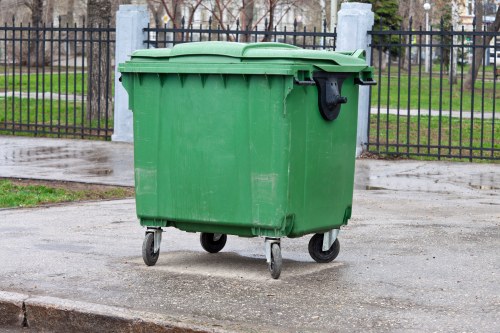 Commercial Waste Luton is committed to developing an eco-friendly waste disposal area that serves businesses across the town and neighbouring boroughs. Our approach balances practical collection with clear sustainability goals: reducing landfill, increasing reuse, and lowering carbon emissions across the entire Luton commercial waste network. This page outlines strategic targets, local transfer stations, charity partnerships and fleet improvements that make the sustainable rubbish area in Luton a reality.
We work with local councils and private partners to embed separation at source: encouraging shops, offices and light industrial units to separate paper and card, glass, mixed plastics and food waste. The borough’s approach to waste separation emphasises segregated streams for organic waste and dry recycling so that the Luton commercial waste stream is clean, easier to process, and more valuable for recycling markets.
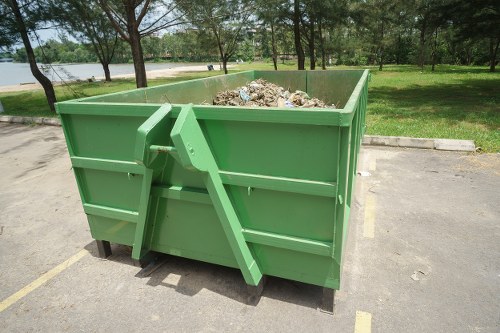 In the short term we have set a clear recycling percentage target: to achieve 70% recycling and reuse of commercial waste by 2030. This target drives investments in sorting facilities, business engagement programmes and incentives for companies that reduce residual waste. Reaching 70% means increasing diversion of cardboard and paper, glass and metals, improving food waste capture from hospitality and retail, and expanding textiles and wood reuse channels.
Local Transfer Stations and Material Hubs
Commercial Waste Luton relies on a network of local transfer stations and material hubs across the borough and into Bedfordshire. These transfer facilities act as consolidation points where collections from multiple businesses are sorted, compacted and routed to recycling processors. By optimising routes to nearby transfer stations we reduce vehicle miles and congestion while improving material quality for recycling facilities.
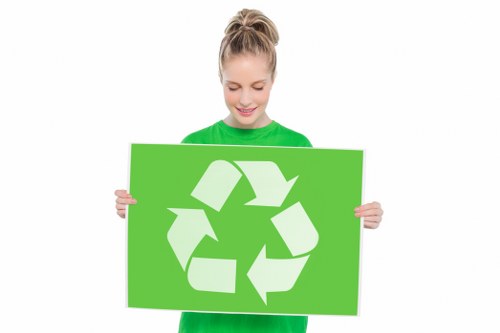 Our transfer station partners accept segregated commercial streams — including cardboard skips, mixed dry recyclables, glass containers and dedicated food waste tanks. They also support bulking of segregated construction and demolition (C&D) waste and wood, which can be processed into recycled aggregates or biomass feedstock. These hubs are essential for creating an integrated sustainable rubbish area that supports local circular-economy activity.
Key benefits of local transfer stations include:
- Reduced haulage distances and lower transport emissions
- Improved sorting that raises recycling yields
- Faster turnaround for businesses with regular collections
Partnerships with Charities and Social Enterprises
We work closely with charities to maximise reuse and social value from commercial donations. Partnerships range from furniture refurbishment and office equipment reuse to food redistribution programmes. By diverting unwanted but usable items from the residual waste stream, Commercial Waste Luton supports community organisations and reduces the environmental footprint of business closures or relocations.
 Typical charity and social-enterprise collaborations include collection agreements for:
- Furniture and office fittings for reuse programmes
- Surplus food redirected to community kitchens and food banks
- Textiles and small electricals recovered for reuse or ethical recycling
 These partnerships create measurable outcomes: fewer items sent to landfill, lower disposal costs for businesses that donate, and more local jobs generated through refurbishment and recycling operations. They also align with our broader aim to make the commercial waste sector a contributor to social as well as environmental sustainability.
Low-Carbon Fleet and Operational Improvements
Decarbonising the collection fleet is a core element of our sustainable rubbish area strategy. Commercial Waste Luton is transitioning to low-carbon vans and refuse vehicles, including electric vans for smaller urban rounds and hybrid or biomethane-powered collection units for heavier loads. This fleet improvement reduces local air pollution and moves the Luton commercial waste supply chain toward net-zero emissions.
Operational changes complement low-carbon vehicles: route optimisation software, consolidated collections to transfer stations and dynamic scheduling all cut mileage and idling. We also pilot low-emission last-mile solutions for dense commercial districts to maintain reliable service while lowering carbon intensity.
How businesses benefit: lower overall waste handling costs, access to recycled material streams, and the ability to demonstrate credible sustainability credentials through documented diversion rates and low-carbon collection partners.
What You Can Expect from Commercial Waste Luton
Commercial Waste Luton offers a pragmatic, measurable pathway to a greener future. We provide clear segregation guidance for businesses, connect you to local transfer stations and charity partners, and commit to a transparent reporting of recycling percentages and carbon reductions. Our eco-friendly waste disposal area vision is built around collaboration: councils, waste operators, charities and businesses working together.
Key commitments include meeting the 70% recycling target by 2030, expanding charity reuse partnerships, and steadily electrifying our collection fleet. We monitor progress and publish operational achievements to support Luton’s transition to a circular, low-carbon economy.
Join us in creating a sustainable rubbish area that reduces waste, supports local communities and protects the environment for future generations. Commercial Waste Luton aims not just to manage waste, but to convert it into value — for businesses, for people and for the planet.
