Commercial Waste in Luton
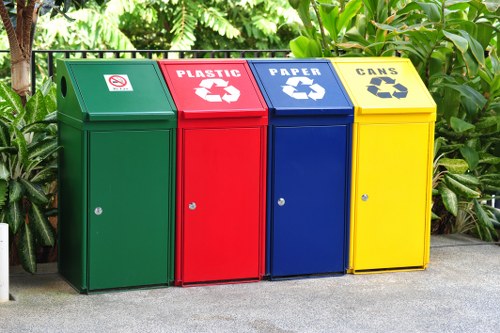
Commercial Waste Luton provides a focused service for businesses that need regular, one-off or project-based waste removal in the town. The core offer is straightforward: collecting commercial refuse, separating suitable materials for recovery where possible, and moving waste away from premises in a way that supports day-to-day operations. That can include mixed business waste, bulky items from commercial spaces, office clearances and other practical removal work when a site needs a tidy, organised handover.
For many organisations, the most useful service is one that fits around trading hours and the pace of the premises. We work with customers who need clear uplift arrangements, sensible handling of bulky material and a process that keeps disruption low. Commercial waste is rarely only about taking bags away; it is often about making a unit, office, storeroom or workshop easier to manage. If you need a quotation, start by outlining the type and amount of waste so the right arrangement can be discussed.
This page sets out the main kinds of commercial clearance work associated with the service, including business waste removal, office clearances and related specialist disposal options. It also explains the factors that can shape an enquiry, from access to item type and segregation needs. If you want to compare options first, use the service sections below and then ask for a quote when you are ready.
Business Waste Removal for Everyday Commercial Premises
Business waste removal is the foundation of the service for many customers. It covers the kinds of routine waste that build up in offices, shops, workshops, hospitality spaces, warehouses and smaller trading units. The aim is to provide a dependable uplift that removes ordinary operational waste without forcing the business to pause its work for long. Where suitable, recyclable materials can be separated from general waste to help keep loads clearer and easier to process.
Commercial premises often produce different waste streams at the same time, so it helps to think in categories rather than simply in bags. Packaging, cardboard, old display items, broken furniture, fixtures, redundant stock and day-to-day rubbish may all need different handling. Choosing the right removal approach depends on what is present, how it is stored and whether any items need special care. Clear segregation at the point of enquiry usually leads to a more accurate quotation and a smoother collection.
Typical waste streams handled for businesses
The service can be suited to a broad range of common commercial materials, as long as they are described accurately and any restricted items are identified in advance. A simple list helps when planning the removal:
- general office and site waste
- cardboard, packaging and other recyclable materials
- bulky commercial items and redundant fittings
- stock-room and storage clearance material
- mixed business rubbish from periodic tidy-ups
Office Clearance and Workspace Tidy-Downs
Office clearance is often needed when workspaces are being reorganised, downsized or emptied in stages. It may involve desks, chairs, filing furniture, shelving, small electricals and accumulated items from shared rooms or back offices. A measured approach matters because offices often contain both reusable fittings and waste, and the two may need to be separated before removal. We can support clearances that are planned in advance or arranged around a fixed moving date.
When handling office waste, the practical questions are usually about access, floor location and the quantity of items to be moved. A lift, staircase, loading bay or narrow corridor can all affect the time and method required. If paperwork, devices or storage items are involved, they should be identified early so the job can be scoped properly. Use the service in a way that suits the office layout, and keep the request specific if you want a precise quotation.
Some offices only need a partial clearance, such as removing surplus chairs after a refit or clearing old storage cabinets from one room. Others need a more complete workspace tidy-down before surrendering space or updating the layout. In either case, the value of the service is in making the process manageable, keeping the site workable and avoiding unnecessary handling by staff.
Bulky Furniture and Fittings from Commercial Sites

Commercial premises frequently contain furniture and fittings that are too large for normal waste handling. This may include desks, meeting tables, reception seating, shelving, counters, storage units and similar items that need to be moved carefully through occupied areas. Furniture removal is often requested alongside general commercial waste because the same clearance visit can deal with both the bulky items and the smaller associated rubbish.
Where furniture is no longer required, the main decision is whether it can be reused, passed on for another purpose or removed as waste. The service can accommodate a mix of item types, but the enquiry should state what the items are and whether they are dismantled or still assembled. Accurate descriptions matter because the handling of a light office chair is very different from that of a large cabinet or reception desk. If you are planning a quotation, mention any load-bearing concerns, tight access points or items fixed in place.
Commercial furniture work is especially useful when a business has changed its layout, closed a section of the premises or replaced older fittings with new ones. Rather than leaving surplus furniture to occupy circulation space or storage rooms, the clearance can be organised so the area is released for its next use. That keeps the premises more adaptable and helps the business make practical use of the available floor area.
Specialist Disposal for Larger or Restricted Items
Some commercial waste cannot be treated as ordinary mixed rubbish because of its size, composition or handling requirements. This may include appliances, mattresses, broken fixtures, or other difficult items that need separate attention. The service scope can therefore extend beyond simple bag collection and into more specialised disposal work where the material type has to be identified before removal.
Items such as fridges, appliances and similar equipment may carry additional handling considerations, while certain materials can require specific disposal routes. It is important to be direct about what is being removed so the job can be assessed properly. If restricted or potentially hazardous material is present, it should be named in advance rather than grouped loosely with general waste. That makes the process safer and avoids confusion when the collection is arranged.
Specialist items need specialist descriptions, especially when a quotation is being prepared. Even when the load is small, the nature of the material can alter the method and the price factors involved. Businesses that keep a varied stock of equipment, outdated fittings or periodic replacement items may find this part of the service helpful because it allows different waste types to be addressed in one planned arrangement where appropriate.
Office Moves, Partial Clearances and Reorganisation Work
Commercial waste removal is not limited to unwanted items at the end of a tenancy. It can also support office moves, internal reorganisation and phased clearances where some items stay in use while others are removed. That makes it useful for businesses refreshing work areas, opening up storage, or changing the way furniture and equipment are arranged. A clear plan helps to avoid removing items that will still be needed.
When a site is being reorganised, timing and sequencing can matter as much as the waste itself. For example, one room may need to be cleared before a different room can be used for temporary storage. Likewise, a project can involve several small stages rather than one large collection. If that is the case, it helps to describe the order in which items will be available. Good planning often reduces interruption and keeps the workspace functional during the process.
For customers who are comparing options, it is worth deciding whether the requirement is a single collection, a staged removal or a broader clearance of redundant items across the premises. The service can support each of those approaches, but the most suitable arrangement depends on how much material is involved and how it is distributed around the building. A careful briefing at the outset makes the quotation more useful and the removal more efficient.
Pricing Factors and How Quotations Are Assessed
Pricing for commercial waste removal is usually shaped by practical details rather than by a simple one-size-fits-all rule. The type of material, the amount to be removed, access to the site, the need for separation and any specialist handling all influence the quotation. Loads containing mixed bulky items may need different assessment from straightforward bagged waste, and larger jobs may require more time, labour or transport capacity.
It is sensible to think about the enquiry in terms of the job as it will actually be carried out. Are items already stacked in one place, or will they need to be collected from several rooms? Does the waste include standard office material, furniture or restricted items? Well-defined details help produce a quotation that is closer to the final work involved. If the waste is spread across floors or stored in difficult-to-reach rooms, that should be mentioned before the collection is arranged.
A useful quotation request usually includes a short description of the items, the approximate volume, the location within the premises and any access limitations. That does not need to be overcomplicated. The goal is simply to make the scope visible early, so the service can be planned in a way that reflects the actual task. The result should be a clearer conversation and a more dependable next step for the customer.
About Luton
Luton is a large town in Bedfordshire with a long history shaped by settlement, trade and transport connections. It grew from an early market town into a major urban centre, and much of that development is visible in the mix of older streets, civic buildings and later expansion around the town core. The town’s centre has been redeveloped in stages over many decades, while the surrounding area includes residential districts, industrial estates and transport corridors that link it to the wider South East. Luton Hoo, a notable historic estate to the south-east of the town, reflects the area’s landed past, while the town itself became better known during the nineteenth and twentieth centuries for hat making, engineering and later aviation-related activity. St Mary’s Church, with its medieval origins, remains one of the best-known historic buildings in the centre and stands as a reminder of Luton's earlier ecclesiastical and civic life. The town is also associated with community green spaces such as Wardown Park and Stockwood Park, which provide open landscape within a built-up setting. The River Lea rises nearby, and the wider landscape has long supported movement between the Chilterns and the Bedfordshire plain. Luton’s present character is shaped by this combination of older heritage, post-war redevelopment, transport infrastructure and a diverse town centre that continues to change over time.
Commercial Waste Planning for Different Site Types
Different premises create different clearance needs, and it is helpful to match the service to the site type rather than assume every job looks the same. An office may generate furniture, paperwork and small electricals, while a shop may produce packaging, display fixtures and stock-room waste. Workshops and storage units can add heavier items, mixed materials and items that have been kept for longer periods before disposal. The right plan starts with identifying what is present and what must stay on site.
Where waste is generated from more than one part of a business, it can help to break the request into zones or categories. That might mean separating front-of-house items from back-of-house items, or identifying which rooms will be cleared first. This approach makes the collection easier to arrange and helps prevent confusion on the day. Specificity is useful because it reduces the chance of items being overlooked or scheduled incorrectly.
Businesses with changing premises, seasonal stock or intermittent refurbishments often benefit from a flexible service rather than a rigid one. The work can be planned around operational needs, with the removal arranged to suit the material available at that stage. If you are unsure how to describe the load, focus on what the items are, where they are kept and whether any of them need special handling.
Recycling, Recovery and Responsible Handling

Responsible commercial waste handling is not only about lifting items away from the premises. It also involves deciding which materials can be separated for recovery and which must be treated as general waste. Cardboard, some metals, selected furniture components and other recoverable streams may be kept apart where this is practical, helping to avoid unnecessary mixing. The precise handling depends on the load, but the principle is to manage the waste with care and keep the process orderly.
Businesses often appreciate a service that recognises the difference between useful material and true waste. Some items have reached the end of their use on one site but still need to be assessed sensibly before disposal. Others are clearly no longer fit for use and simply need removing without delay. Either way, the handling should be proportionate to the material involved. Responsible removal is best understood as a practical process: identify, separate, move and dispose of in the right way.
If you are ready to arrange a quotation, send a brief description of the waste and the site conditions so the next step can be discussed. If the job involves several item types, list them clearly so the service can be matched to the work. For a final check on suitability and timing, contact us for a quote.